When Y Celeb and Afunika dropped "Salt Sana" in 2025, the phrase escaped the music almost immediately. Within months it was in TikTok captions, political speeches, and kombi conversations from Lusaka to the Copperbelt. But what does salt — the oldest seasoning on earth — actually do? And why does the metaphor land so perfectly?
There's a reason Zambian artist Y Celeb, alongside the unmistakable voice of Afunika, named their 2025 track "Salt Sana." In Zambian street parlance, the phrase carries weight — it's that quality of being too much in the best possible way, the thing that takes something ordinary and makes it unforgettable. Within months of its release on the Most Wanted album, the phrase had escaped the music and entered the culture. Mizzy C dropped "Akapondo (Salt Sana)." Kiz Man and Top Kid followed suit. On social media timelines from Lusaka to the Copperbelt, "salt sana" became shorthand for anything that just hits.
And if you've ever bitten into a perfectly seasoned piece of nshima with a rich, well-salted relish beside it, you already understand exactly what they mean.
The Quiet Power of Salt
Salt is the oldest and most universal seasoning on earth. Long before chilli flakes or garlic powder entered anyone's kitchen, salt was the ingredient that separated edible from enjoyable. It doesn't announce itself the way a scotch bonnet does. It doesn't colour a dish like turmeric or dominate like cumin. Salt works underneath everything else, amplifying what's already there.
This is what food scientists call flavour potentiation. Salt suppresses bitterness and lifts sweetness. It opens up aromatic compounds so your nose can do its job properly. A tomato without salt is acidic and flat. The same tomato with a pinch of salt becomes round, sweet, and somehow more like itself. Salt doesn't add a flavour so much as it unlocks the flavours that were always waiting.
That's the paradox: you don't really taste salt when it's done right. You taste everything else more clearly.
Bland Is the Enemy
Anyone who has eaten unseasoned food knows the particular disappointment of it — the sense that something essential is missing, that the ingredients never quite arrived at their potential. A pot of beans simmered for hours with onion, garlic, and tomato can still fall flat if nobody remembered the salt. The effort was there. The technique was there. But without that one catalyst, the whole thing stays muted, like a song recorded at half volume.
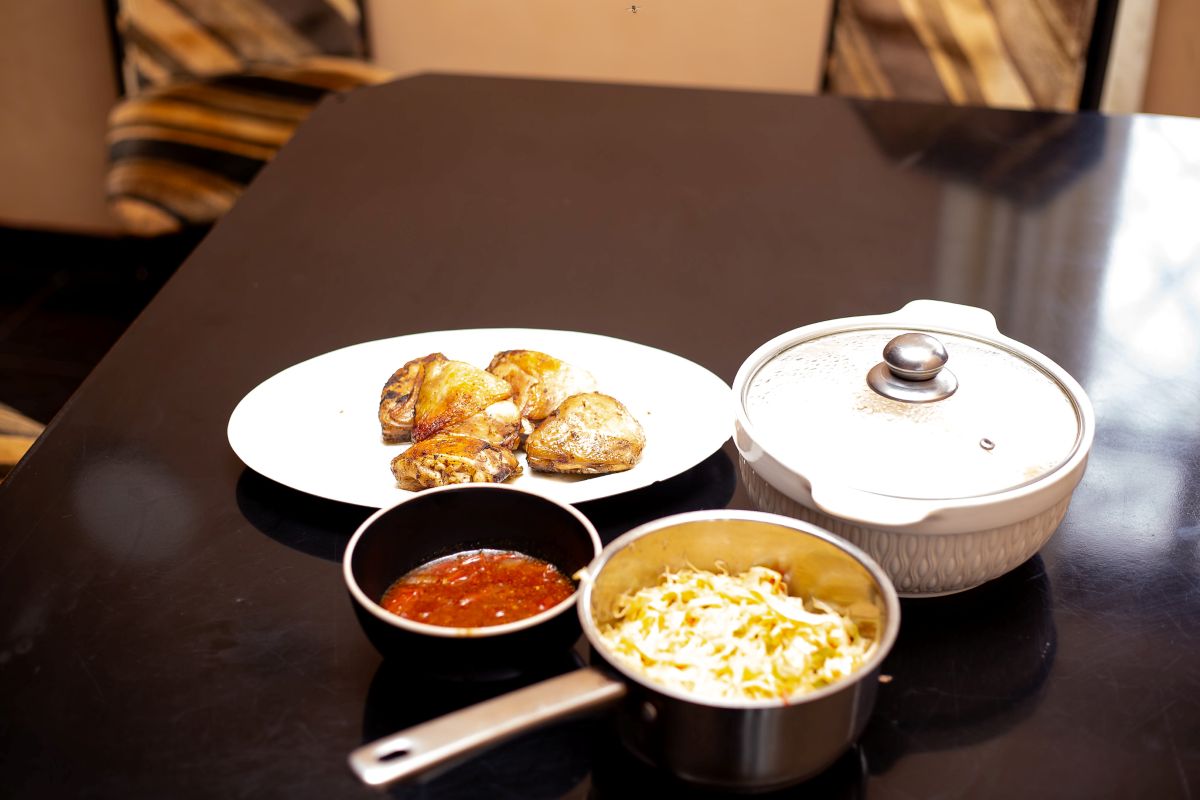
This is why, across cultures and continents, salt has never been optional. In Zambia, salt is central to the preparation of virtually every relish, whether it's village chicken in groundnut sauce, kapenta fried crisp at the edges, or a simple plate of chibwabwa. The cooking might be done over charcoal or gas, in a rural kitchen or a Lusaka flat, but the principle is the same: food without salt is food that hasn't yet become what it's supposed to be.
The same instinct runs through West African jollof debates, through the Italian grandmother who salts her pasta water until it tastes like the sea, through the Thai street vendor balancing fish sauce against palm sugar. Every cuisine on earth converges on this single truth — that salt is not a luxury, it's a necessity of flavour.
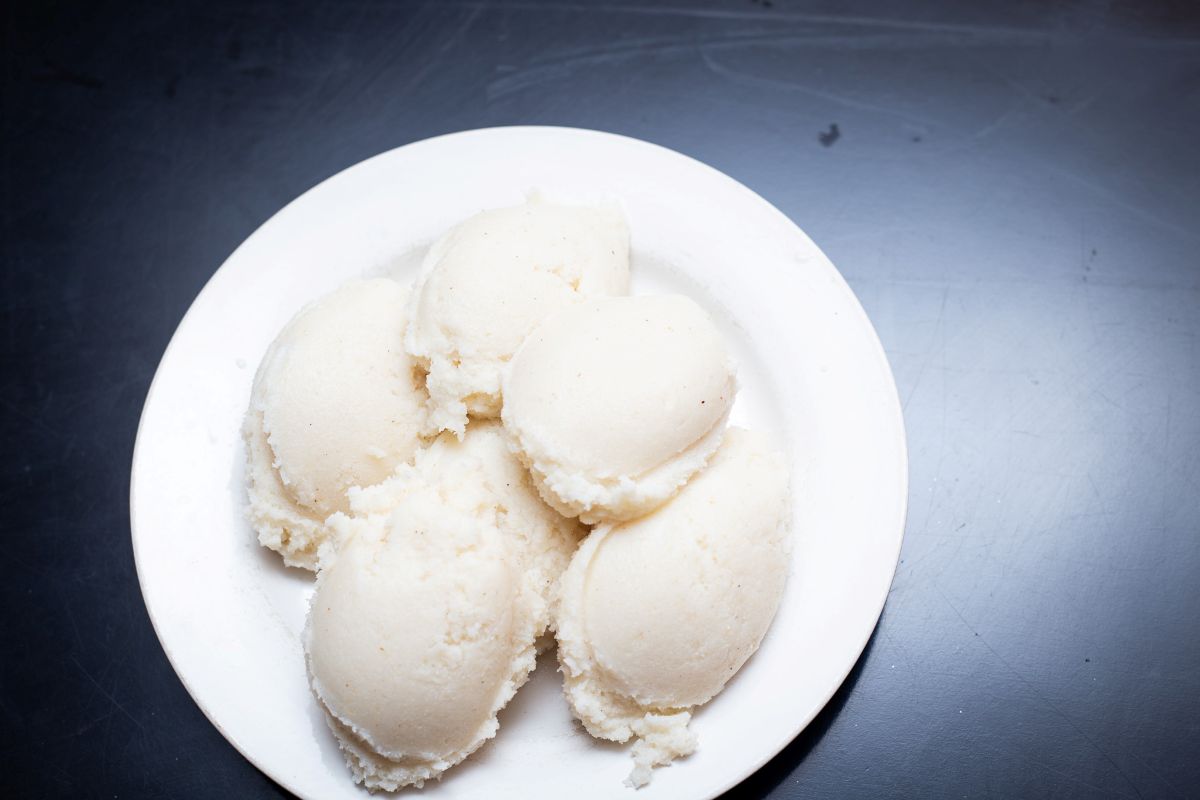
Nshima without a well-salted relish is food that hasn't arrived yet. Salt makes the whole meal sing.
Salt Sana as Metaphor
This is precisely what makes "Salt Sana" such a resonant phrase beyond the music. When Y Celeb and Afunika put the words together, they were tapping into something people already understood instinctively. To be salt sana is to be the thing that elevates. The energy in the room. The presence that makes a gathering feel alive. The quality that turns background noise into an anthem people can't stop humming on the kombi ride home.
"This term salt sana is being used to refer to anything outstanding or top notch — of which anything of such nature is being called salt sana, accompanied with a sign of the fingers adding salt to the palm." — From the Copperbelt, where the phrase first took root
It's worth sitting with that metaphor for a moment, because it reveals something about how Zambians — and people generally — think about value. Salt doesn't seek attention. It doesn't compete with the main ingredient. It makes the main ingredient better. The best seasoning in a kitchen, like the best energy in a room, is the kind that brings out what's already good and makes it impossible to ignore.
There's a generosity in that. Salt gives without taking over. And when a phrase like "salt sana" catches fire across Zambian music and social media in the space of a few months, it's because the metaphor lands perfectly. Everyone knows what bland tastes like. Everyone knows what happens when the right amount of salt arrives.
"You don't really taste salt when it's done right. You taste everything else more clearly." — The paradox at the heart of great seasoning
The Balance Point
Of course, salt has its limits. Nutritionally, too much of it is a well-documented problem — cardiovascular strain, fluid retention, elevated blood pressure. The World Health Organisation recommends less than five grams per day, and most people exceed that comfortably. There is a line between seasoning and excess, and crossing it has real consequences.
But in the kitchen, the goal has never been maximum salt. It's been enough salt. The right amount. The quantity that wakes a dish up without overwhelming it. Professional chefs talk about seasoning "to the point of deliciousness" — the moment just before you can identify salt as a distinct flavour, where everything simply tastes more vivid and complete.
That calibration — finding the point where enough becomes too much — is one of the oldest skills in cooking. And it might be the most important one. All the technique, all the expensive ingredients, all the time spent at the stove — none of it fully delivers without this single, final act of attention.
Seasoning the Culture
What Y Celeb, Afunika, Mizzy C, and the rest of the Zambian music scene have done with "Salt Sana" is essentially what salt does to food: they've taken something everyone already knows and made it vivid, catchy, impossible to forget. The phrase didn't invent a concept. It crystallised one. It gave a name to the quality that people chase in music, in company, in a plate of food — that thing which makes the difference between forgettable and something you want again tomorrow.
So the next time you're standing at the stove, pinching salt between your fingers before letting it fall into whatever's simmering, consider that you're participating in the same principle that's currently soundtracking minibuses and house parties across Zambia. You're adding the thing that makes everything else make sense.
Salt sana. Just the right amount of too much.